
Few designers have influenced interior design as much as William Morris. Born in 1834, this English visionary laid the foundations of the Arts & Crafts movement and created an aesthetic that, more than a hundred years after his death, is experiencing a spectacular revival. His abundant floral motifs — birds nested in strawberry plants, intertwined tulips, acanthus leaves — now adorn the most inspired interiors.
Why is a William Morris poster so appealing in 2026? Because his creations embody a powerful idea: "useful beauty," art designed to inhabit everyday life. Whether you're looking to decorate a living room, bedroom, or office, a Morris reproduction instantly brings warmth, elegance, and depth to your wall decor.
In this guide, we trace William Morris's life and philosophy, detail his emblematic motifs, and share our tips for incorporating his posters into your home.
- William Morris (1834-1896): English designer, craftsman, and writer, founder of the Arts & Crafts movement
- More than 50 wallpapers and 30 textiles: an immense decorative legacy preserved notably at the V&A Museum in London
- Key motifs: Strawberry Thief, Pimpernel, Tulip, Golden Lily — all inspired by English nature
- 2025-2026 trend: the grandmillennial and cottagecore revival propels Morris motifs into contemporary interiors
William Morris, founder of the Arts & Crafts movement
William Morris was born on March 24, 1834, in Walthamstow, East London, into a wealthy family. Passionate about nature and the Middle Ages since childhood, he studied at Oxford where he befriended the painter Edward Burne-Jones — a decisive encounter for the history of British decorative art.
In 1861, Morris founded Morris, Marshall, Faulkner & Co. (later Morris & Co.), a decorative arts company that produced furniture, stained glass, textiles, and wallpapers. His ambition? To rehabilitate craftsmanship in the face of mass industrial production, which he considered "ugly and dehumanizing."
His philosophy was based on a revolutionary principle for the time: "Have nothing in your houses that you do not know to be useful, or believe to be beautiful." This famous maxim summarizes the essence of the Arts & Crafts movement: reconciling beauty and functionality, art and everyday life.
In 1881, Morris set up his workshops in Merton Abbey, near Wimbledon, where he perfected natural indigo dyeing and hand-weaving techniques. It was in these workshops that his most famous motifs were born, directly inspired by the flora and fauna observed in the gardens of Kelmscott Manor, his country house in Oxfordshire.
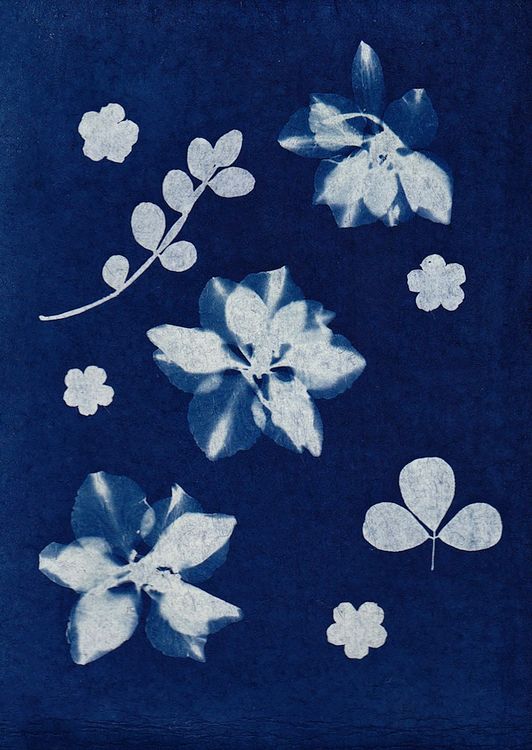
William Morris's emblematic motifs
Throughout his career, William Morris designed over 50 wallpapers and at least 32 printed textiles. Each William Morris motif tells a story, rooted in careful observation of nature. Here are the four most iconic creations.
Strawberry Thief (1883)
The Strawberry Thief is arguably Morris's most famous motif. It depicts thrushes stealing strawberries in the garden of Kelmscott Manor — a scene Morris actually observed from his window. This design was created using the demanding indigo printing technique, which Morris took six years to master.
Pimpernel (1876)
The Pimpernel displays a symmetrical pattern of pimpernel flowers, columbines, and foliage on a dark background. It is one of the most popular designs for interior decoration thanks to its deep colors and perfect balance between density and readability. Discover our Pimpernel poster to bring this floral elegance to your interior.
Tulip (1875)
The Tulip motif illustrates stylized tulips intertwined with sinuous leaves. Morris expresses his love for English gardens with a rhythmic and organic composition. The Morris Tulips and Leaves poster captures the freshness and vitality of this timeless design.
Golden Lily (1899)
Designed in the spirit of Morris by his student John Henry Dearle, the Golden Lily blends majestic lilies, sinuous stems, and acanthus leaves in an abundant composition. This motif embodies the quintessential Arts & Crafts aesthetic: an idealized, lush, and harmonious nature.
The V&A Museum in London houses the largest public collection of William Morris's works in the world: wallpapers, textiles, stained glass, tiles, and furniture. In 1938, Morris's daughter, May, bequeathed 30 of her father's original drawings to the museum, true treasures for understanding his creative process.
Why choose a William Morris poster for your decor
In 2025-2026, William Morris's motifs are experiencing unprecedented popularity. Two underlying trends explain this revival:
The grandmillennial style — a contraction of "grandma" and "millennial" — rehabilitates traditional decorative codes: floral wallpapers, patterned textiles, antique furniture. Morris motifs perfectly embody this aesthetic that blends nostalgia and modernity.
Cottagecore, which celebrates English country life and connection to nature, finds an ideal source of inspiration in Morris's creations. Lush flora, birds, wild strawberries: the entire Morris universe resonates with this bucolic art of living.
Beyond trends, a William Morris poster offers lasting decorative qualities:
- Natural colors — deep greens, indigo blues, brick reds — that harmonize with all interior styles
- Graphic power that dresses a wall as effectively as wallpaper, without the hassle of renovation
- Timelessness of a design that has spanned eras for 150 years without ever looking dated
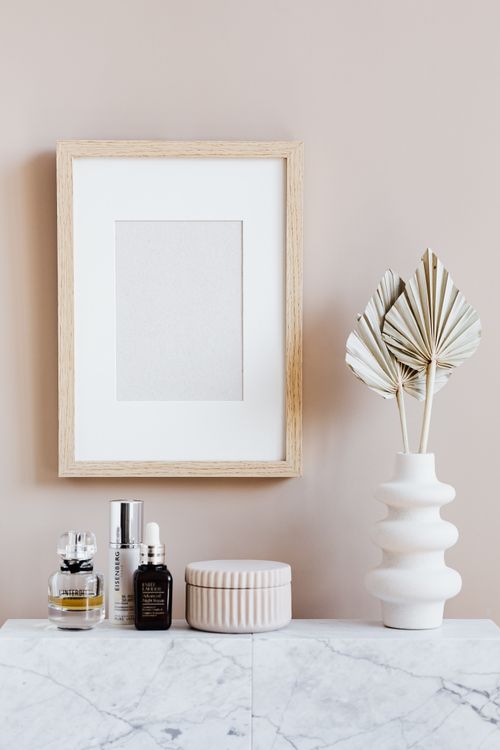
How to integrate a Morris poster into your home
The secret to successful decoration with a William Morris poster? Adapt the choice of motif, format, and placement to your room and your style. Here are our recommendations:
| Room | Recommended motif | Ideal format | Decorating tip |
|---|---|---|---|
| Living room | Strawberry Thief, Golden Lily | 50×70 cm or 70×100 cm | Above the sofa or fireplace, framed in natural wood |
| Bedroom | Pimpernel, Tulip | 30×40 cm or 50×70 cm | As a headboard or in a symmetrical duo on the sides |
| Office | Willow Bough, Acanthus | A3 or 30×40 cm | Facing the desk for an inspiring touch without overcrowding |
| Entrance / Hallway | Trellis, Fruit | A4 or 30×40 cm | In a small format to welcome with elegance |
Three tips for an impeccable result:
- Play with wall compositions: combine two or three Morris posters with different motifs but similar palettes to create a harmonious gallery wall
- Choose a frame that matches the motif: light wood for warm tones (Strawberry Thief), dark or black wood for motifs on dark backgrounds (Pimpernel)
- Mix eras: a Victorian motif framed in a minimalist frame creates a striking contrast that instantly modernizes the whole
If you like mixing styles, combine a Morris poster with our Bauhaus posters for an unexpected dialogue between craftsmanship and modernism.
Our selection of William Morris posters
At Gustave, we have selected the most emblematic motifs of William Morris, reproduced on premium paper that captures the richness of colors and the finesse of the original details.
Among our flagship pieces, you'll find our Pimpernel poster with its deep hues and the Morris Tulips and Leaves poster, ideal for bringing a touch of botanical freshness to your interior.
Each poster is available in several formats to suit all spaces. Free shipping from €39 and free returns within 30 days — you can choose with complete peace of mind.
William Morris motifs pair particularly well with Scandinavian and Japandi interiors. The contrast between Morris's floral density and the clean lines of Nordic furniture creates a highly sought-after visual balance in interior decoration.
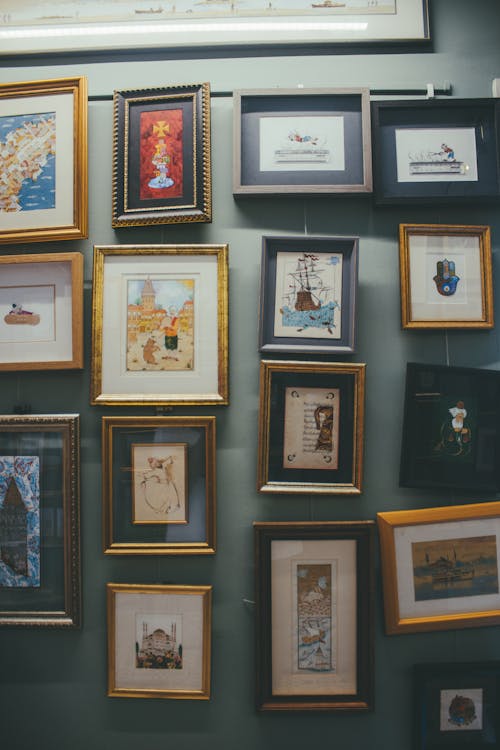
William Morris and Art Nouveau: a decorative lineage
William Morris not only founded the Arts & Crafts movement: he also profoundly inspired Art Nouveau, the decorative current that flourished in Europe at the end of the 19th century.
Morris's organic lines and plant motifs are directly found in the work of Alphonse Mucha, whose posters with floral arabesques share the same love of stylized nature. Similarly, Gustav Klimt drew from the Arts & Crafts aesthetic for his golden decorative backgrounds and ornamental motifs. If Klimt's universe interests you, consult our guide to Klimt posters.
This filiation between Arts & Crafts and Art Nouveau makes Morris posters a natural bridge in an eclectic interior. Pair them with Mucha or Klimt reproductions to create a gallery wall that tells the story of European decorative design. And if you are sensitive to vibrant colors and organic forms, also explore our guide to Matisse posters, a modern heir to this decorative tradition.
Timeless floral motifs, premium paper, free delivery from €39. Find the perfect Morris poster for your home.
View postersConclusion
From Strawberry Thief to Pimpernel, William Morris's motifs traverse eras with intact elegance. Founder of the Arts & Crafts movement and precursor of Art Nouveau, Morris invented a meaningful decoration — both beautiful, artisanal, and connected to nature. Treat yourself to a William Morris poster and let this exceptional heritage enhance your daily life.